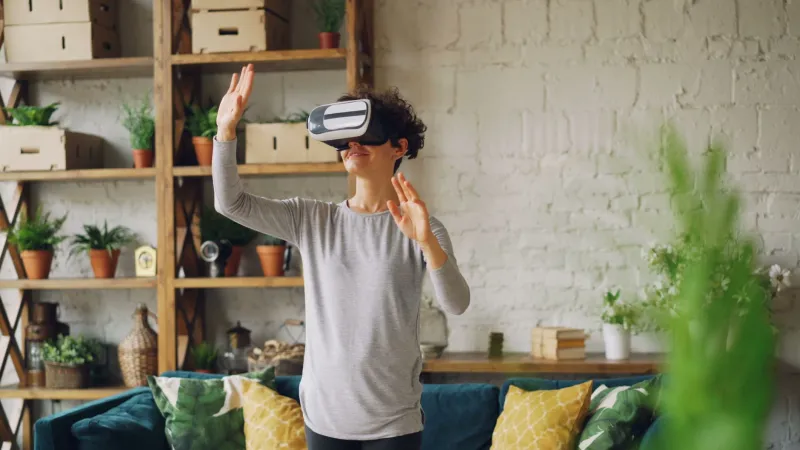
The Armchair Age Has an Elder Stateswoman: Why Seniors Are Virtual Travel's Most Devoted Explorers
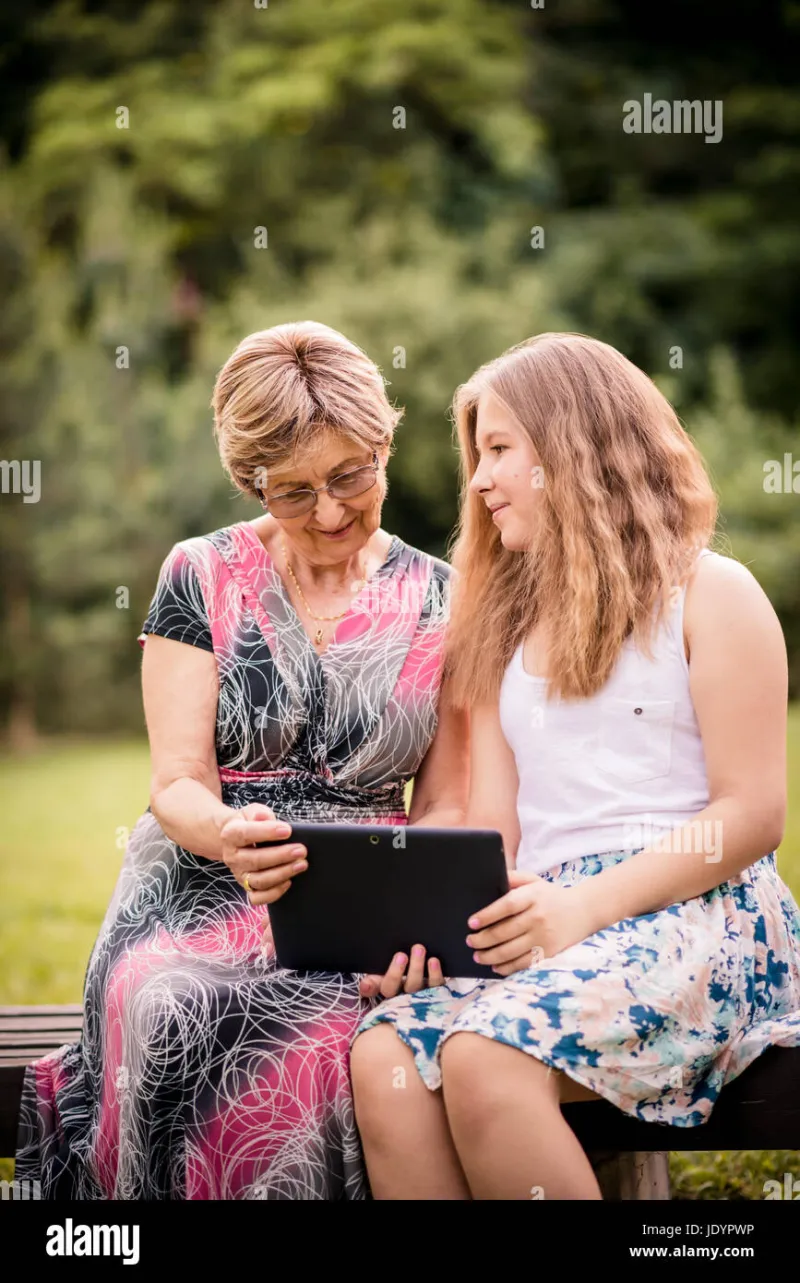
Photo: senior woman and granddaughter looking at travel photos on tablet together, via c8.alamy.com
Here's a story we keep hearing, in one form or another: a granddaughter sets up a tablet at her grandmother's kitchen table, opens a virtual walking tour of Paris, and watches an 84-year-old woman who hasn't flown in twenty years get misty-eyed over a street corner in the Marais.
The travel industry has spent years pitching virtual tours to young professionals and curious millennials. But its most enthusiastic adopters may be a generation nobody targeted at all.
The Population Nobody Marketed To
Think about who virtual travel actually serves best. It helps anyone who's busy or budget-conscious, sure. But it's transformative for people who face real barriers to physical travel: limited mobility, chronic health conditions, oxygen tanks, wheelchairs, the simple exhaustion of navigating airports at 78.
For decades, the honest answer to "will I ever see the world?" was a gentle no. Virtual tours changed that answer. A cobblestone street that's physically impassable becomes, on a screen, a stroll. The Louvre's stairs disappear. The long-haul flight becomes a Wi-Fi connection.
That's not a watered-down version of travel for some people. For a lot of people, it's the only version on offer — and it beats the alternative by a mile.
Retirement Communities Are Booking Tours
Activity directors at senior living communities caught on early. Group virtual excursions — a guided tour of the Vatican one week, a Kenyan safari the next — have become staple programming, and it's easy to see why. They cost a fraction of a bus trip, nobody has to transfer in and out of a van, and the conversation afterward lasts for days.
Some communities have gone further, pairing tours with themed meals, guest speakers, or residents' own memories. A virtual tour of Honolulu becomes a story circle about who served there in the war, who honeymooned in Waikiki in 1965. The screen is the prompt; the trip is communal.
Families Are Taking Grandma Along
The other quiet trend is intergenerational: adult children and grandchildren "taking" older relatives on tours of meaningful places. The hometown abroad that someone emigrated from fifty years ago. The European city where a late spouse was stationed. The national park where the family camped every summer until knees said no.
These sessions work because they're shared. One person navigates; the other narrates, remembers, corrects. "The church was painted a different color then." "There used to be a bakery right there." The virtual tour becomes a family archive session in disguise — and those conversations don't get recorded any other way.
The Case for Accessibility as the Killer Feature
We've argued before that virtual travel can't replace the smell of rain on a canyon trail, and we stand by that. But accessibility might be the most underrated thing this technology offers — not a footnote, but a headline.
There's a temptation to frame senior virtual travel as bittersweet: a poor substitute for the real thing. Spend an hour watching a group of residents argue happily about whether the Amalfi Coast looks steeper in person, and you'll drop the "poor substitute" framing fast. Joy doesn't get prorated by the mode of transportation.
It also works in the other direction. Plenty of older adults use virtual tours as reconnaissance — testing whether a destination is realistic before committing to a real trip, checking cruise port accessibility, seeing whether a hotel's "step-free access" claim holds up. The virtual visit makes the real one possible more often, not less.
How to Set It Up for Someone You Love
- Start with meaning, not spectacle. The first tour should be a place that matters to them — a hometown, a honeymoon spot — not the flashiest new VR demo.
- Big screen beats headset. For most seniors, a tablet or TV casting is more comfortable and less intimidating than a headset. VR can come later, if at all.
- Let them hold the wheel. Hand over the controls. Wandering and getting slightly lost is half the fun.
- Pair it with memory. Old photos, a playlist from the era, a dish from the place. The tour is the skeleton; the stories are the trip.
Virtual travel was built for everyone. It just turns out that the people who needed it most — and who use it most joyfully — saw its value first. Grandma's first trip to Paris doesn't need a boarding pass. It needs a good Wi-Fi signal and someone to sit beside her.