Watch Lions Hunt, Elephants Roam, and Rare Birds Soar — All From Your Sofa
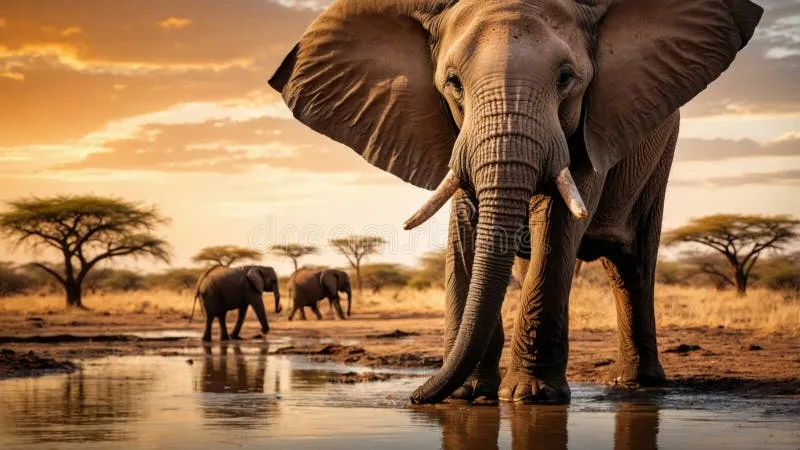
Photo: African savanna watering hole elephants and wildlife at sunset, via thumbs.dreamstime.com
There's a particular kind of magic that happens when you're watching a live camera feed and a herd of elephants suddenly wanders into frame. Nobody scripted it. Nobody staged it. It's just happening — right now, thousands of miles away — and you're watching it unfold in real time from somewhere in, say, suburban Ohio or a studio apartment in Chicago. That's the quiet miracle of live wildlife streaming, and it's gotten remarkably good.
For travelers who've always dreamed of an African safari but haven't been able to make it happen — whether that's a budget issue, a mobility challenge, or just the reality of a packed schedule — virtual wildlife experiences have evolved into something genuinely worth your time. These aren't grainy YouTube clips from 2009. We're talking high-definition, multi-camera setups positioned at active watering holes, open plains, and dense bush environments, streaming live around the clock.
The Technology Making It All Possible
Before we get into the best platforms and feeds, it's worth appreciating how much engineering goes into making these experiences work. Setting up a reliable live stream in a remote game reserve in Kenya or South Africa involves solar-powered camera rigs, satellite uplinks, weatherproofing against extreme heat and occasional flooding, and — not nothing — protecting the equipment from curious elephants who apparently find camera housings interesting to investigate.
Many of the most sophisticated operations use multiple cameras positioned at strategic locations: a watering hole where animals congregate in the late afternoon, an open plain where predators hunt at dawn, or a nest site where rare birds are raising chicks. Some platforms allow viewers to switch between feeds, effectively giving you control over your own virtual safari experience.
AI-assisted animal detection is also starting to show up in some of the more advanced platforms, automatically alerting viewers when significant wildlife activity is detected. It's the kind of technology that makes you realize your virtual journey is actually riding the cutting edge of both conservation tech and digital tourism.
The Best Live Wildlife Cameras Right Now
Africam is probably the most well-known destination for live African wildlife streaming, and for good reason. Based in South Africa, Africam operates multiple live feeds across several game reserves, with cameras positioned at watering holes that attract a remarkable variety of species — elephants, hippos, Cape buffalo, leopards, and all manner of birds. The feeds run 24/7, and the site has a community chat feature that lets you share sightings with other viewers in real time. It's free to access, though a premium membership unlocks additional features and supports the platform's conservation work.
Explore.org is a US-based nonprofit that operates one of the largest networks of live nature cameras in the world. Their African wildlife collection includes feeds from Namibia and Kenya, but the platform also covers bear cams in Alaska, bald eagle nests, and ocean reef systems. If you have kids in the house, this is an especially great resource — the site is designed to be educational, and many of the feeds are used in classrooms across the country.
WildEarth takes things a step further with live-hosted safari broadcasts. Twice daily during their safari season, professional guides and wildlife experts lead live video safaris from the Greater Kruger region in South Africa, narrating what they're seeing, answering viewer questions, and providing the kind of context you'd normally only get from a knowledgeable guide in the field. The broadcasts stream on YouTube and Facebook for free, and the production quality is genuinely impressive — this isn't someone holding a phone out a car window.
Virtual Safari Companies Worth Exploring
Beyond free live feeds, a number of companies have built out structured virtual safari experiences that feel closer to guided tours.
Singita, one of the most respected names in luxury African safari lodges, has developed a digital content library that includes virtual game drives, conservation documentaries, and behind-the-scenes looks at their wildlife management work. It's a beautiful way to experience the aesthetic and ethos of a high-end safari without the $1,000-a-night price tag.
&Beyond, another major safari operator, has leaned into virtual experiences with guided online tours and interactive sessions with their field guides. These typically involve a scheduled video call or live stream where a guide walks you through the bush, points out animal tracks, identifies bird calls, and shares the kind of on-the-ground knowledge that makes a real safari so memorable.
For a more educational angle, the African Wildlife Foundation offers webinars and virtual programming that connect US audiences with conservationists working on the ground across the continent. These aren't passive viewing experiences — they're interactive conversations about wildlife, habitat, and the very real challenges facing African ecosystems.
What You Might Actually See (and When)
One of the things that makes live wildlife streaming so compelling is the unpredictability. But there's also a loose rhythm to African wildlife activity that's worth knowing about if you want to maximize your chances of catching something exciting.
Early morning and late afternoon — roughly 5–8 AM and 4–7 PM East African time — are prime game-viewing windows. That translates to roughly 10 PM–1 AM and 9 AM–12 PM Eastern Time in the US, which means early risers and night owls are in luck. Watering holes tend to get busy in the mid-afternoon heat as animals come to drink, so tuning in around 11 AM ET can be surprisingly productive.
During the dry season (roughly June through October in southern Africa), wildlife concentrates around water sources, making the live feeds from watering holes especially active. If you want to catch large elephant herds or a lion pride on the move, that's your window.
More Than Entertainment — It's Conservation
It's worth saying out loud: these platforms aren't just fun. They're doing real work. Many of the organizations behind live wildlife cameras use the revenue and attention generated by their streams to fund anti-poaching operations, habitat preservation, and community education programs in the areas where they operate.
When you spend time on Africam or Explore.org, you're not just watching animals — you're participating in a global conversation about why these ecosystems matter and what it takes to protect them. For American audiences who may never make it to sub-Saharan Africa in person, that connection can be surprisingly meaningful.
Your Safari Starts Now
The Serengeti is live. The watering hole at Kruger is waiting. Somewhere on a dusty plain in Kenya, a cheetah is probably doing something spectacular right now. You don't need a passport or a plane ticket to be part of it — just an internet connection and a willingness to look up from your feed for a few minutes. Your virtual journey into the wild is already underway.