Eat the World Without Leaving Your Kitchen: A Guide to Virtual Food Tours and Global Culinary Experiences
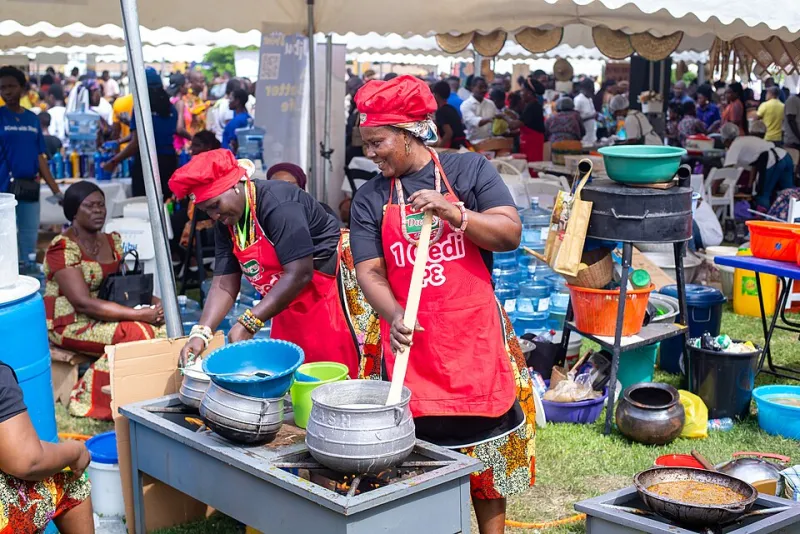
Photo: Amuzujoe, CC BY-SA 4.0, via Wikimedia Commons
Travel has always been about more than sightseeing. For a lot of us, the real memories are made around food — the hole-in-the-wall ramen shop in Tokyo, the family-run trattoria in Bologna, the street cart in Bangkok where you pointed at something, had no idea what it was, and ate the best thing of your entire trip.
Food is how cultures introduce themselves. And as it turns out, you don't have to be standing in a foreign city to have that introduction. A growing ecosystem of virtual culinary experiences is making it possible to explore the world's food traditions from your own kitchen — with real chefs, real ingredients, and real stories behind every dish.
Why Virtual Food Tourism Is Having a Moment
The pandemic accelerated a lot of things, and virtual cooking classes were one of them. What started as a workaround became, for many people, a genuine revelation. It turned out that learning to make mole from a chef in Oaxaca via Zoom was not only possible — it was personal, interactive, and often more educational than anything you'd get in a traditional cooking class back home.
Now, the category has matured. Platforms have refined their offerings, chefs have gotten comfortable with the format, and the production quality has gone way up. For US-based travelers who want to explore global food cultures without the cost of international airfare, the options are genuinely impressive.
Platforms Worth Exploring
Airbnb Experiences remains one of the easiest entry points. Even without booking a stay, you can browse hundreds of virtual cooking experiences hosted by people in their actual home kitchens around the world. A grandmother in Palermo teaching you to make arancini. A chef in Hanoi walking you through a proper pho broth. The format is conversational and warm, and most sessions are small enough that you can actually ask questions and get real-time feedback on your technique.
Prices typically range from $15 to $50 per person, which is frankly a bargain for a 90-minute interactive session with someone who has been cooking a particular dish their entire life.
The League of Kitchens takes a similar approach but with a tighter curatorial focus. Based in New York, it connects students with immigrant home cooks who teach the cuisines of their home countries — Afghan dumplings, Trinidadian doubles, Bangladeshi fish curry. The emphasis is on authenticity and cultural context, not just technique. Instructors often share stories about where dishes come from, what they mean to their families, and how recipes have traveled and changed over generations. It's food tourism in the truest sense.
Cozymeal is another strong option, offering virtual cooking classes with professional chefs across a wide range of cuisines. The platform is well-organized, the booking process is straightforward, and the skill range covers everything from beginner-friendly pasta nights to more ambitious projects like Japanese knife technique workshops.
Virtual Market Tours: Wandering Without Walking
For some travelers, the best part of being somewhere new isn't the restaurant — it's the market. The noise, the color, the vendors, the strange ingredients you've never seen before. Virtual market tours are trying to capture that energy, and a few of them are doing it surprisingly well.
Global Food Adventures and similar tour operators offer guided online market walks through places like Istanbul's Grand Bazaar, the Tsukiji outer market in Tokyo, and the Mercado Central in Santiago. A local guide walks through the market with a camera, stopping to explain what's being sold, how it's used in local cooking, and what to look for when buying. It's narrated, interactive, and genuinely transporting in a way that static videos aren't.
For a more independent experience, YouTube has become an underrated resource. Channels dedicated to street food and market exploration — some with millions of subscribers — offer high-quality, immersive footage that functions almost like a walking tour. Pair one of these with a cooking session and you've got a surprisingly complete picture of a food culture.
The Subscription Box Angle: Ingredients Delivered With a Story
One of the most creative evolutions in this space is the ingredient subscription box that doubles as a destination guide. Services like Universal Yums, Goldbelly, and more specialized operations deliver authentic regional ingredients — or ready-to-cook meal kits — alongside storytelling about where the food comes from.
Universal Yums, for instance, focuses on snacks and treats from a different country each month, paired with a booklet that covers culture, history, and food context. It's light on cooking but strong on discovery. For families with kids, it's a genuinely engaging way to turn dinner into a geography lesson.
For a more serious culinary experience, some importers and specialty food retailers now pair hard-to-find international ingredients with video content and recipe guides. Diaspora Co., for example, sources single-origin spices directly from farmers in South Asia and includes detailed origin stories with every order. Cooking with their Pragati turmeric or Aranya pepper feels different when you know exactly where it came from and who grew it.
Making It a Real Experience
The difference between a virtual food experience that feels flat and one that genuinely transports you usually comes down to intention. The more you commit to the experience — setting the table, maybe playing some music from the destination country, doing a little reading beforehand — the more it delivers.
A few suggestions for building a full virtual food tourism evening: Pick a destination, then find a cooking class from that region on Airbnb or Cozymeal. While your ingredients are being prepped or while something's simmering, pull up a market tour video from the same city. If you want to go deeper, pair the meal with a documentary or travel series set in that country — Ugly Delicious, Chef's Table, or Anthony Bourdain's Parts Unknown are all excellent companions.
The world's food cultures are endlessly varied and genuinely fascinating, and the barrier to exploring them has never been lower. You might be surprised how far a good recipe and a curious mind can take you — without ever leaving the zip code.